
Primary Research Focus
Cancer doesn’t just alter gene expression – it rewires alternative splicing of RNA. Tumor microenvironmental stress, such as metabolic starvation, drives alternative splicing changes that fuel tumor growth, metastasis and therapy resistance.
The Khurshid Lab deciphers how these stresses reshape splicing programs by identifying the isoforms that emerge and the RNA-binding proteins that control them, uncovering new mechanisms and therapeutic targets in aggressive cancers. By leveraging cutting-edge short-read and long-read sequencing in metabolically stressed cells and patient samples, the lab aims to map splicing regulation with unprecedented precision, opening new avenues for targeted therapies and transforming cancer treatment.
This lab is driven by optimism, hard work and focus. Beyond advancing research, the Khurshid Lab is deeply committed to training the next generation of scientists, nurturing curiosity, resilience and ethics, and innovating to tackle the challenges of tomorrow, ultimately improving patient care.
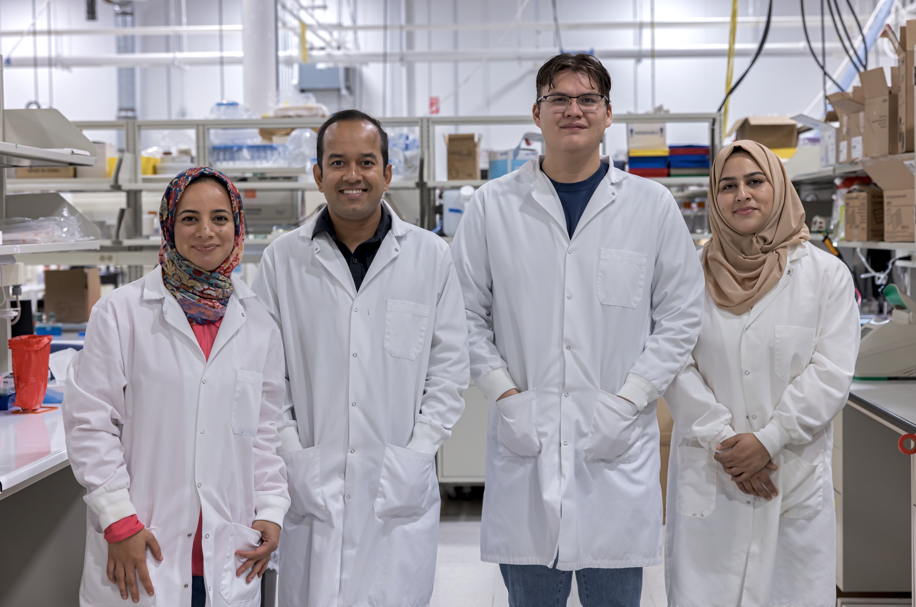
About the Khurshid Lab
Lab Projects

Elucidate alternative splicing deregulation in tumor cells under metabolic starvation and design SSOs to restore them:
Tumor microenvironmental factors such as metabolic starvation and hypoxia can alter gene splicing, producing isoforms that may enhance tumorigenesis. Our objective is to identify these specific isoforms and design Splice Switching Oligonucleotides (SSOs) to target the pre-mRNA, aiming to restore normal splicing patterns and mitigate tumorigenic properties.

Investigate the Role of RNA-Binding Proteins (RBPs) in Metabolic Starvation:
Metabolic starvation modifies the expression, phosphorylation, and localization of RNA-binding proteins, that influences alternative splicing and regulates multiple aspects of tumorigenesis. Our goal is to analyze and understand these RBP dynamics and map their binding patterns on pre-mRNA in both control and metabolically starved tumor environments.

Analyze Patient Data to Map the Splicing Landscape in Pediatric Cancer samples:
By leveraging publicly available short- and long-read sequencing data from pediatric cancer patient samples, we apply advanced bioinformatics tools to identify alternative splicing events and RNA-binding protein expression changes. This analysis reveals differentially spliced genes in tumors, which we further investigate in the lab to develop as potential therapeutic targets.